

Imperial Sun Labs
Advancing clean energy innovation through solar technology, lithium valley research, and sustainable development in Imperial County.
Scroll to explore
Recommended Solar Products
Curated solar equipment for homes, businesses, and outdoor adventures. Hand-picked products from trusted brands.
Affiliate Disclosure: As an Amazon Associate, Imperial Sun Labs earns from qualifying purchases. We only recommend products we believe will provide value to our community. Prices shown are approximate and subject to change on Amazon.
Under $50
Budget-friendly solar essentials for everyday use
 Under $40
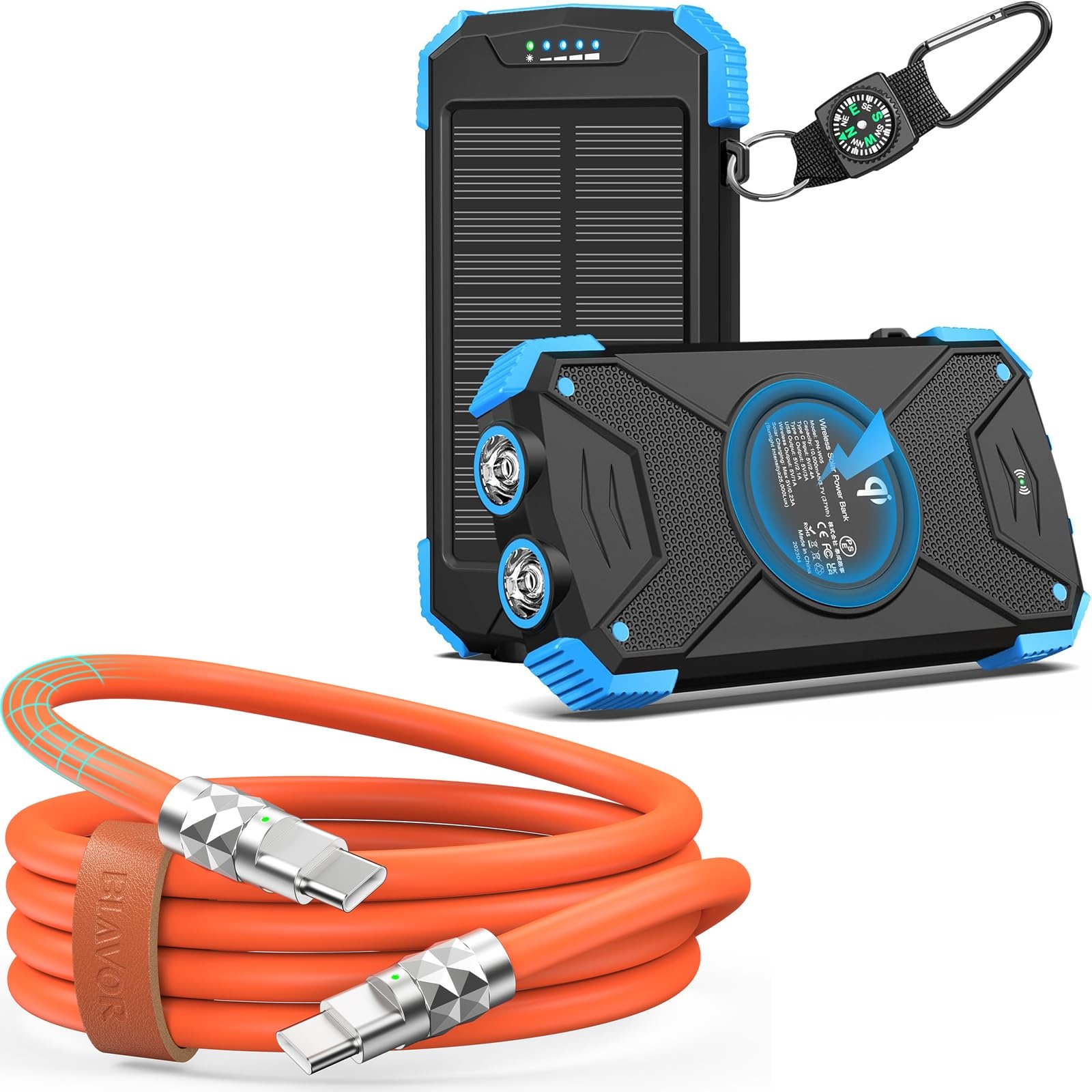
BLAVOR
Solar Power Bank 10000mAh with Wireless Charging
Compact solar charger with dual USB, wireless charging, flashlight, and IPX5 waterproof rating.
 Best Value
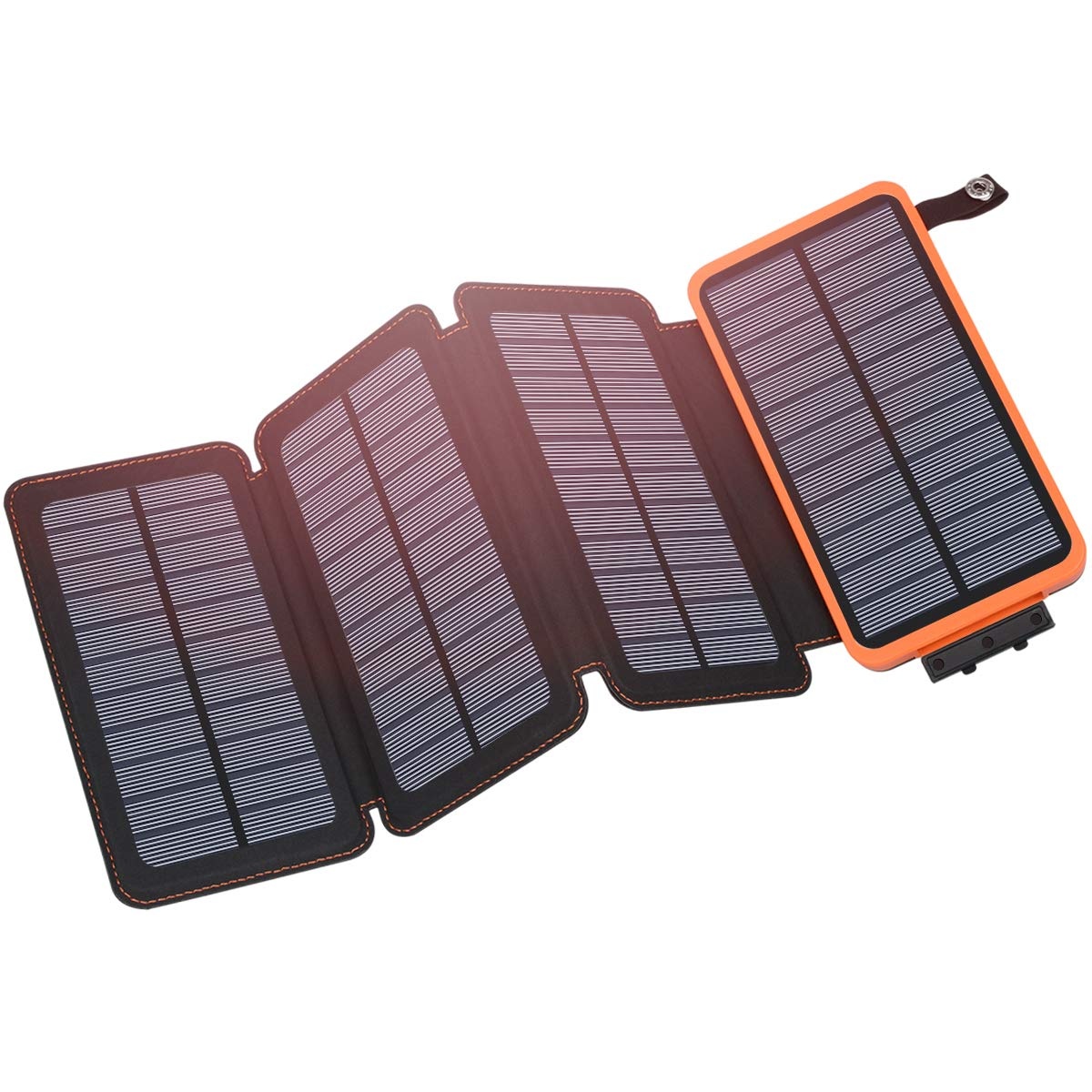
Hiluckey
25000mAh Solar Charger with 4 Foldable Panels
High-capacity portable solar charger with 4 foldable panels, dual USB-A outputs, perfect for camping.

Solpex
Solar Garden Pathway Lights (8-Pack)
Auto on/off LED pathway lights for gardens, walkways, and yards. IP65 waterproof.
 Under $25
Otdair
Solar Fairy String Lights 100 LED
33ft outdoor solar string lights, 8 lighting modes, perfect for patios and gardens.

MPOWERD
Luci Inflatable Solar Lantern
Lightweight, waterproof inflatable solar lantern. Perfect for camping, emergencies, and travel.
 Editor’s Pick
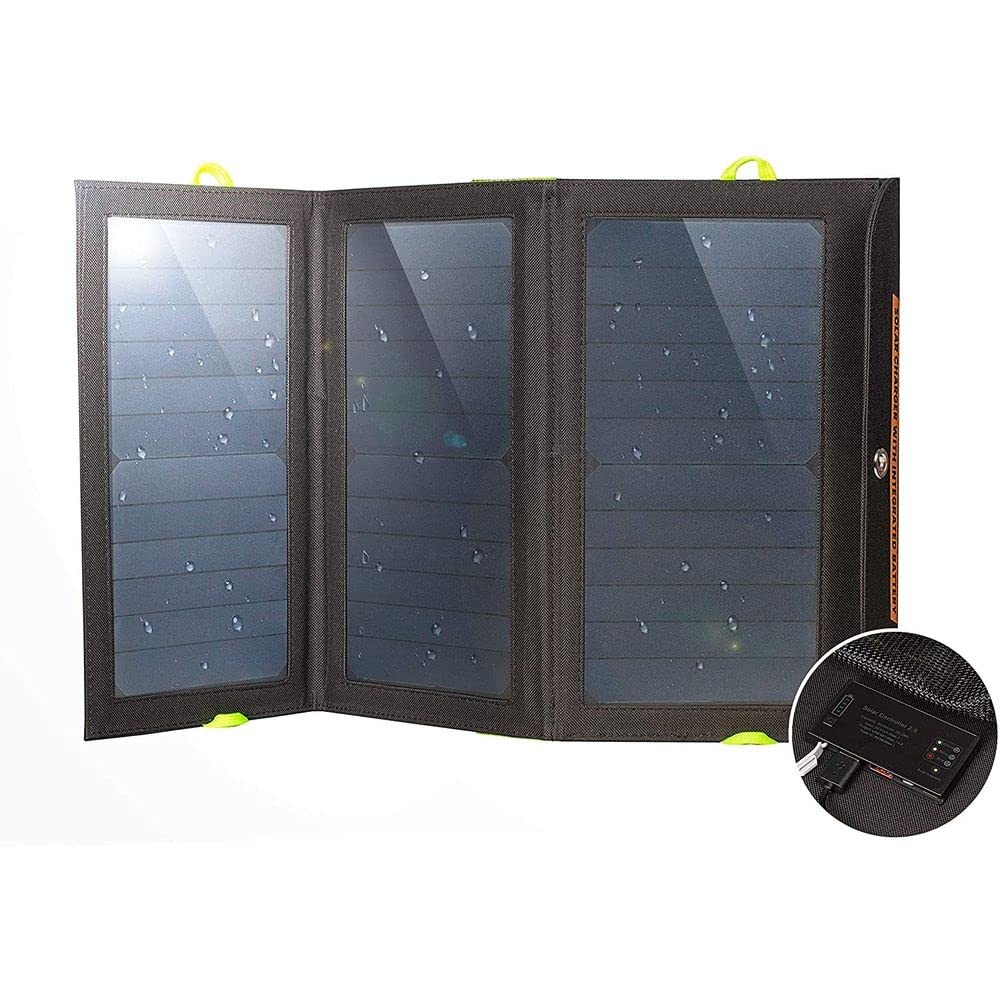
RYNO TUFF
21W Portable Solar Panel Charger (USB)
Foldable 21W solar panel with dual USB output for phones, tablets, and small devices.
Looking for Something Specific?
Browse Amazon's full selection of solar products. From panels to power stations, find everything you need for your clean energy journey.
Browse All Solar Products on AmazonWhy Imperial County?.
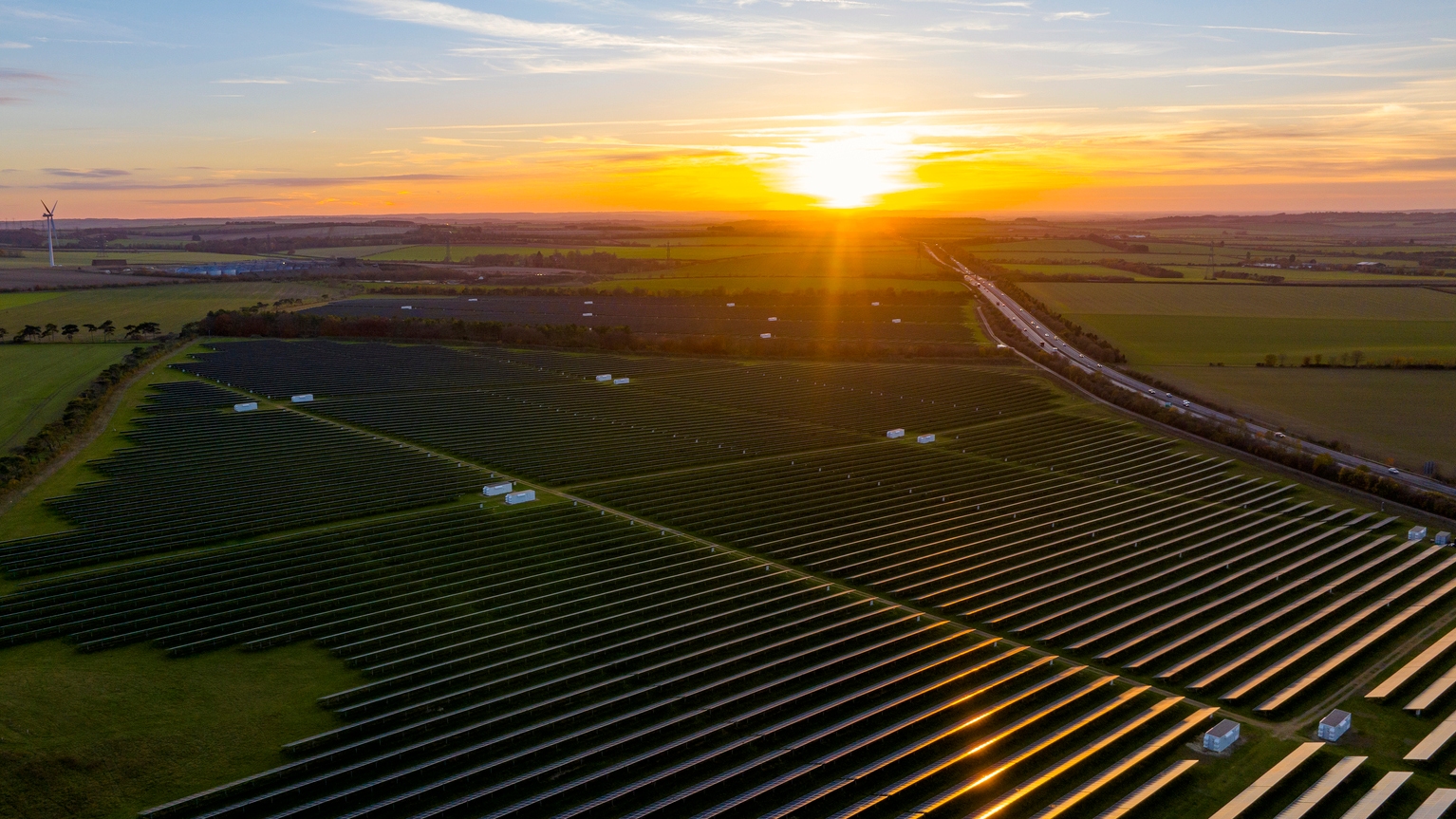
Imperial County possesses the perfect combination of geography, climate, and infrastructure to become a global solar energy leader.
Situated in Southern California's most solar-rich region, Imperial County boasts exceptional conditions for solar energy production. With vast, undeveloped land, consistent high solar irradiance, and modern infrastructure, the region is positioned to become a cornerstone of California's renewable energy future.
Our initiative combines cutting-edge solar technology with sustainable development practices, creating a blueprint for responsible renewable energy expansion that benefits both the environment and local communities.
Abundant Sunlight
Imperial County receives 300+ days of sunshine annually, making it ideal for solar energy production.
Environmental Leadership
Reduce carbon emissions and combat climate change while creating clean, renewable energy.
Economic Growth
Generate local jobs, attract investment, and boost the regional economy through solar development.
By the Numbers.
Imperial County's solar farm initiative delivers impressive results in energy production and environmental impact.
Solar Installations
500+
MW Capacity
2,500+
Annual Output
3,750+
GWh
CO2 Reduction
1.2M+
tons/year
Energy Production Trends
Environmental Impact.
Our solar initiative delivers measurable environmental benefits while supporting California's climate goals.
1.2M+ tons/year
CO2 Reduction
Equivalent to removing 250,000+ vehicles from roads annually
2B+ gallons/year
Water Saved
No water needed for solar energy generation
99% emission-free
Clean Air
Zero air pollution from solar power generation
50K+ acres
Land Use
Productive solar farms with compatible land use
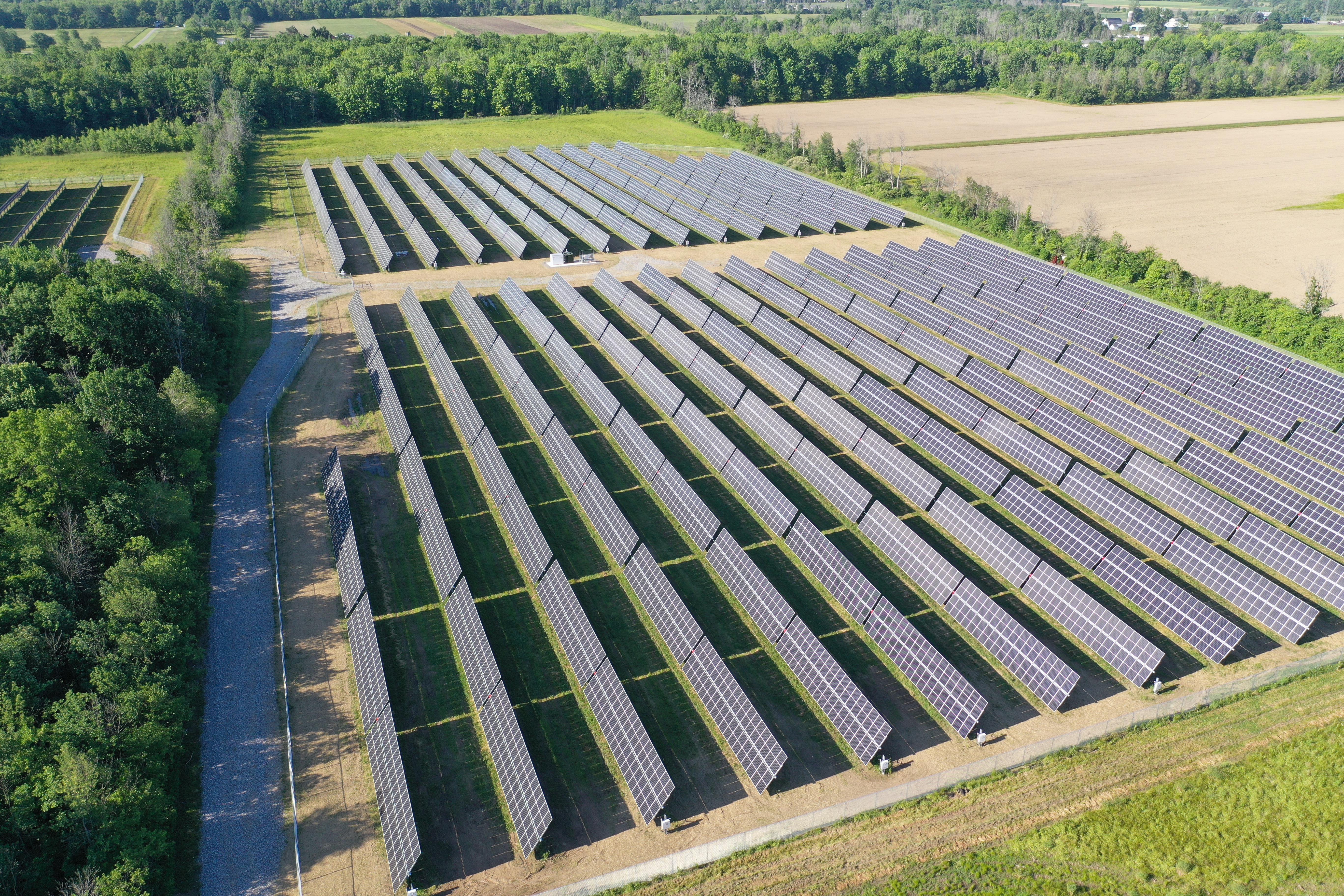
Sustainable Energy for Future Generations
How It Works.
Our solar technology integrates advanced photovoltaic systems with intelligent energy management.
Photovoltaic Panels
Advanced monocrystalline solar panels with 20%+ efficiency, designed to maximize energy capture from Imperial County's abundant sunlight.
Smart Inverters
Cutting-edge inverter technology converts DC solar power to AC, optimizing energy flow and grid integration.
Energy Storage
State-of-the-art battery systems store excess energy for use during peak demand and non-sunny hours.
Grid Integration
Smart grid technology ensures reliable, stable power distribution across California's electrical infrastructure.
Notable Solar Farms
Major utility-scale solar projects currently operational in Imperial County

Mount Signal Solar (Imperial Valley Solar Project)
800 MWp (600+ MWAC)
One of the largest PV solar farms in the world, developed in three phases.
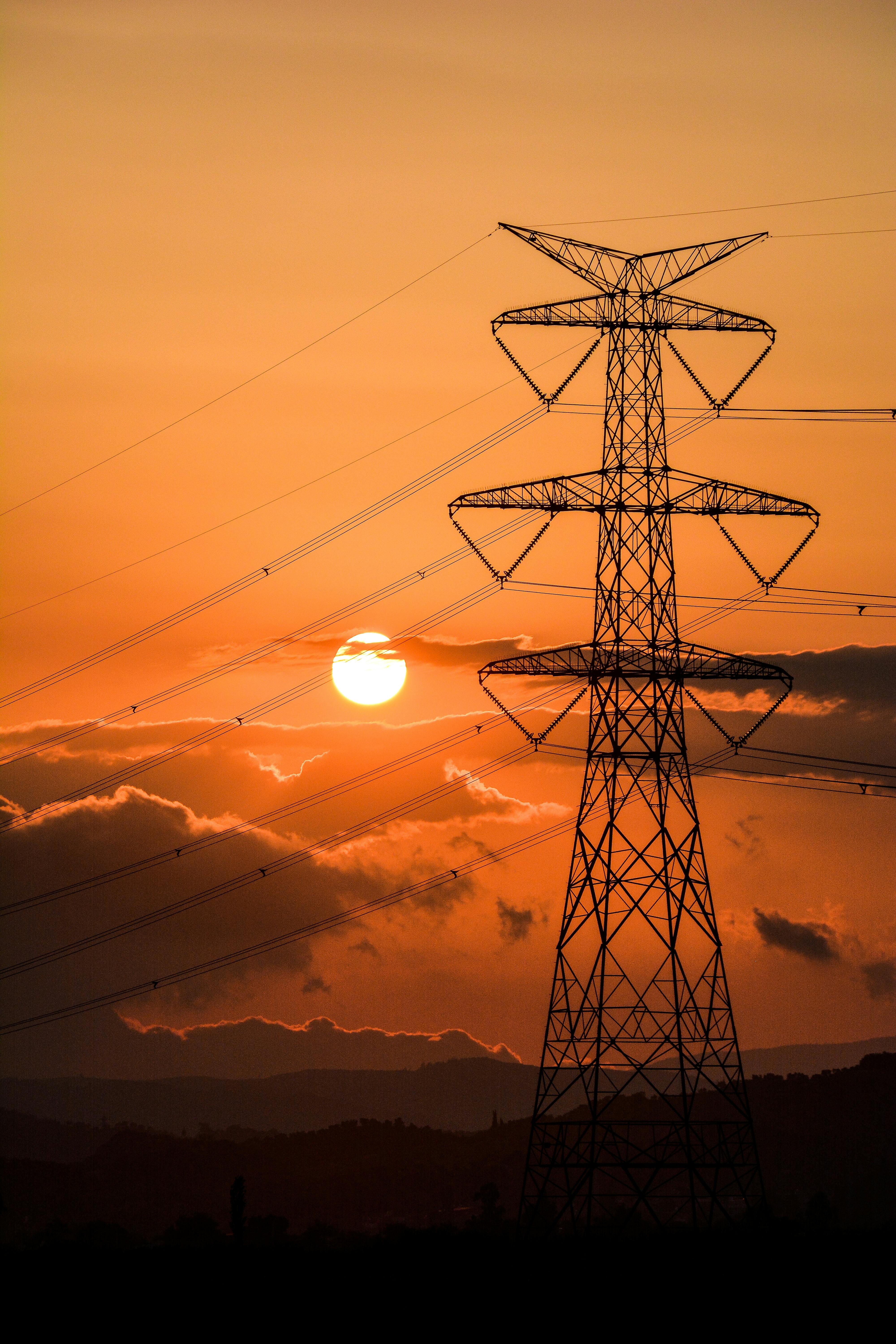
Imperial Solar Energy Center South & West
Multi-phase utility-scale
Major installations supplying power to the regional grid through the Sunrise Powerlink.

Centinela Solar Energy Project
Utility-scale
Strategic installation near the Mexican border contributing to renewable energy reputation.

Campo Verde Solar Project
Massive utility-scale
Located in the southern part of Imperial County, contributing significantly to regional capacity.
Regional Grid Impact
These combined projects represent a significant portion of Imperial County's 2,300+ MW solar capacity. Connected via major transmission infrastructure like the Sunrise Powerlink, they efficiently deliver power to San Diego and Southern California.
Total Regional Capacity
2,300+ MW
Key Transmission Link
Sunrise Powerlink
Primary Market
Southern California
Future Projects & Development Pipeline
Emerging solar projects currently in planning and environmental review stages
Big Rock 2 Cluster Solar Project
Recent proposal involving both solar generation and energy storage.
Vega SES Projects (Multiple Phases)
Multiple phases (Vega 2, 3, 4, 5, 6) in various stages of Environmental Impact Report review.
Citizens Imperial Solar
Community-focused project designed to benefit local residents through Imperial Irrigation District partnership.
Lithium Valley Initiative
Solar energy plays a crucial role in Imperial County's emerging Lithium Valley initiative. The abundance of solar power from these projects is expected to fuel the future extraction and processing of lithium from geothermal brine at the Salton Sea, creating a synergistic clean energy ecosystem.
Strategic Connection
Solar to Lithium
Primary Source
Salton Sea Geothermal
Impact
Clean Tech Hub Growth
Stay Updated on New Projects
Track all emerging solar projects and environmental filings in Imperial County through the official Imperial County Renewable Energy Maps and project tracking system.
View Renewable Energy MapsLithium Valley Initiative
Transforming Imperial County into a global clean energy hub by combining abundant solar power with sustainable lithium extraction
The Lithium Valley Initiative represents a groundbreaking opportunity to leverage Imperial County's world-class solar resources in combination with the Salton Sea's exceptional geothermal and mineral wealth. By powering lithium extraction facilities with renewable solar energy, the region can produce the critical materials needed for global EV battery manufacturing while maintaining zero-carbon production processes. This synergy creates one of the most promising clean energy ecosystems on the planet.
The Perfect Synergy
Abundant Solar Power
Imperial County's 2,300+ MW of solar capacity provides clean electricity for lithium extraction
Geothermal Resources
Salton Sea contains high-temperature geothermal brines rich in lithium and other minerals
Zero Carbon Production
Solar-powered lithium extraction achieves net-zero emissions, supporting EV manufacturing
About the Salton Sea Geothermal Resource
The Salton Sea is home to one of the largest untapped geothermal resources in North America. The area contains high-temperature brines (300-400°C) rich in lithium, potassium, and manganese—critical materials for battery manufacturing.
- •Location: Approximately 30 miles south of Indio in Riverside County, easily accessible from Imperial County
- •Lithium Content: Up to 15,000+ tons of lithium per year from existing facilities, with potential to scale significantly
- •Temperature: 300-400°C brines provide abundant heat for processing and electricity generation
- •Sustainability: Direct lithium extraction (DLE) technology requires minimal water and produces zero waste
Resource Potential
Current Annual Potential
15,000+ Metric Tons
Lithium carbonate equivalent
Scaling Potential (2030s)
100,000+ Metric Tons
With advanced DLE technology
Global EV Battery Demand (2030)
2.5M Metric Tons
For 50+ million EVs annually
Economic & Environmental Impact
20,000+
Jobs Created
Direct and indirect employment in extraction, processing, and related industries
$10B+
Economic Value
Potential economic impact over 20 years from lithium production and related industries
1.2M
Metric Tons/Year
Potential lithium carbonate equivalent production capacity at full scale
100%
Clean Energy
All processing powered by renewable solar energy from Imperial County
Development Timeline
2022-2024
Exploration & Pilot
Initial geothermal resource assessment and small-scale pilot projects for lithium extraction technology testing
2024-2026
Development
Environmental review, permitting, and infrastructure development for commercial-scale operations
2026-2028
Commercialization
Full-scale lithium extraction and processing facility development begins
2028+
Scaling
Multi-facility operations producing 100,000+ metric tons annually to meet global EV demand
Join the Lithium Valley Revolution
Be part of Imperial County's transformation into a global clean energy and advanced manufacturing hub
Opportunities & Challenges
Lithium Valley is one of the most ambitious clean energy projects in US history. Success would transform Imperial County, but significant challenges remain.
✓ What Could Go Right
Global Battery Powerhouse
Produce enough lithium to support 375 million EVs globally, making the US independent from South American and Chinese imports
Economic Rebirth
Transform Imperial County from one of California's poorest counties with thousands of high-paying jobs in extraction, processing, and battery manufacturing
Greenest Lithium on Earth
Closed-loop DLE system with minimal surface footprint and near-zero carbon emissions compared to open-pit mining and evaporation ponds
Salton Sea Restoration
Lithium tax revenue provides hundreds of millions of dollars for water restoration, dust suppression, and habitat recovery
⚠ What Could Go Wrong
Technical Scaling Challenges
DLE technology works in labs but scaling to millions of tons with hot, salty, "messy" brine full of minerals is an engineering challenge. Equipment corrosion and clogging risks remain.
Lithium Price Volatility
Lithium prices are famous for "booms and busts." Extended periods of low prices could make these expensive plants unviable, impacting investor commitment.
Transmission Bottlenecks
Current electrical grid in Imperial Valley may need massive multi-billion dollar upgrades before it can handle exports and industrial loads.
Community & Environmental Pushback
Local concerns about water usage, truck traffic, and whether promised jobs will benefit residents could slow permitting and face legal challenges.
The Realist's Bottom Line
Lithium Valley is not a guaranteed slam dunk, but it is a high-stakes strategic priority.
The most likely outcome is not a "sudden explosion" of industry, but a slow, multi-decade build-out. The first few commercial plants will be the "test cases"—if they can prove they can handle the brine and stay profitable for 2–3 years, the floodgates for the rest of the "Valley" will likely open.
Current Status (2025+): Buildout and pre-commercialization phase with focus on project development, permitting, land-use planning, infrastructure and transmission planning, workforce preparation, and community engagement.
Strategic Players
Development is concentrated in the Salton Sea KGRA, specifically around Niland and Calipatria, with three primary companies and state/local oversight
BHE Renewables
Berkshire Hathaway Energy
- 10 existing geothermal power plants in Imperial Valley
- Demonstration plant testing Direct Lithium Extraction (DLE)
- Strategy: Adding lithium "bolt-on" facilities to current operations
- Approach: Leveraging existing infrastructure and brine streams
EnergySource Minerals (ESM)
Imperial Valley-Based
- Project ATLIS located near Calipatria
- Already received core permits and Environmental Impact Report
- Proprietary ILIS DLE technology for Salton Sea brine chemistry
- Expected production: ~20,000 metric tons lithium carbonate equivalent/year
Controlled Thermal Resources (CTR)
Independent Developer
- Hell's Kitchen Power and Lithium Project
- Breaking ground on first stage with new geothermal facilities
- High-profile backers: General Motors (GM) and Stellantis
- Vision: Multi-stage campus with battery component manufacturing
Local & State Oversight
Imperial Irrigation District (IID)
Local Utility Authority
- •Controls water and local electricity transmission
- •Manages grid interconnection and water usage agreements
- •Essential approval for all projects
California Energy Commission (CEC)
State Regulatory Body
- •Provides grant funding for development
- •Sets environmental and standards framework
- •Coordinates Lithium Valley Commission
Imperial County Board
Local Government
- •Manages Lithium Valley Specific Plan
- •Determines zoning and land-use regulations
- •Collects and allocates "Lithium Tax" revenues locally
Geographic Focus: Salton Sea KGRA
Development is concentrated in the Salton Sea Known Geothermal Resource Area (KGRA), specifically around the towns of Niland and Calipatria.
This location is essential because lithium/geothermal projects must be positioned directly over the geothermal "hot spots" where the high-temperature brines (300-400°C) are located.
Why This Location?
- ✓ Highest lithium concentration in California
- ✓ Abundant geothermal resources
- ✓ Proximity to existing solar infrastructure
- ✓ Existing electrical transmission lines
Solar + Lithium Synergy
In Imperial Valley, solar farms and Lithium Valley projects are two sides of the same "Clean Energy Capital" coin, with both cooperation and competition
Competition: The "Land & Water" Tug-of-War
| Factor | Solar Farms | Lithium (Geothermal) |
|---|---|---|
| Land Footprint | Huge (500-800 acres for 100 MW) | Small (a few dozen acres) |
| Location Flexibility | Anywhere with sun & flat land | Must be over "The Hot Spot" |
| Power Type | Intermittent (Daytime only) | Baseload (24/7) |
| Primary Resource | Sunlight | Geothermal Brine |
🔹 Key Consideration:
Both industries compete for water from the Imperial Irrigation District (IID) Colorado River allotment. Solar needs small amounts for panel washing and dust control. Lithium extraction (DLE) requires significant water for chemical processing of brine. Zoning is being planned to separate solar, lithium, and agricultural operations.
Cooperation: A 24/7 Power Grid
The biggest "win" for the region is how solar and geothermal complement each other
The Duck Curve Fix
Solar produces massive amounts of power during the day but stops at night. Geothermal plants provide "baseload" power 24/7, perfectly complementing solar.
Balanced renewable energy supply
Grid Stability
Geothermal-based lithium plants stabilize the local grid when the sun goes down, making Imperial Valley one of California's most reliable renewable sources.
Reliable power for LA and San Diego
Shared Infrastructure
Both industries rely on the same high-voltage transmission lines to Los Angeles and San Diego. Growing together creates a stronger case for state-funded grid upgrades.
Multi-billion dollar transmission investment
The Circular Future: Solar + Lithium + Batteries
The ultimate goal for the region is a complete circular energy economy
Step 1
Solar Power
Solar provides cheap daytime power to run lithium extraction pumps and processing plants
Step 2
Lithium Production
Lithium produced on-site is used to build batteries in local gigafactories
Step 3
Energy Storage
Batteries are installed at solar farms to store midday sun and sell power back to grid at night
Complete Cycle
Why Growing Together Makes Sense
✓Complementary Energy Profiles
Solar's intermittency is balanced by geothermal's 24/7 baseload power, creating a more stable and valuable energy portfolio for California's grid.
✓Shared Transmission Resources
Both industries use the same transmission lines. Combined growth justifies massive state funding for grid modernization and capacity upgrades.
✓Operational Synergies
Solar power runs the energy-intensive lithium extraction process during peak sun hours, maximizing efficiency and reducing overall system costs.
✓Local Economic Multiplier
Combined development attracts battery manufacturing, creating a complete supply chain that keeps jobs and profits in Imperial County.
Future Industries & Economic Diversification
The solar and lithium infrastructure being developed in Imperial County creates a foundation for multiple downstream industries, positioning the region as a global clean technology hub.
Economic Resilience
Diversified industries reduce dependency on single sectors
Job Creation
Thousands of skilled manufacturing and processing positions
Clean Tech Hub
Position Imperial County as a global clean energy leader
Supply Chain Advantage
Vertical integration from energy to final products
Energy & Battery Manufacturing
Battery Production & Assembly
With lithium extraction from Lithium Valley and abundant solar power, manufacturing battery packs, cells, and energy storage systems becomes highly viable. Companies like Tesla, Redwood Materials, and others could be attracted to co-locate manufacturing near the resource base and power supply.
EV Component Manufacturing
Batteries, electric motors, inverters, and power electronics manufacturing could cluster in the region due to cheap, clean power and direct lithium access, reducing supply chain costs.
Advanced Materials & Processing
Lithium Refinement
Converting extracted lithium to battery-grade chemicals (lithium carbonate, lithium hydroxide) and specialty chemicals. This energy-intensive process benefits from co-location with solar generation.
Rare Earth & Critical Minerals
Geothermal brines often contain other valuable elements beyond lithium (potassium, boron, minerals for magnets). Local extraction and refinement could create a multi-product industrial ecosystem.
Solar Component Manufacturing
Panel assembly, inverter manufacturing, and specialty materials for energy storage leverage abundant clean power and a growing skilled workforce.
Data & Computing Centers
Green Data Centers
With excess renewable energy and cooler nighttime desert temperatures, large-scale AI/cloud computing data centers could serve California's tech sector while maintaining sustainability goals.
Edge Computing & Processing
Processing infrastructure for autonomous vehicles, grid management systems, and IoT networks that require local computational power.
Water & Agriculture Technology
Desalination & Water Treatment
Pairing geothermal energy with desalination to address regional water scarcity. This critical infrastructure would support both industrial operations and community needs.
Climate-Smart Agriculture
Using energy surplus for precision irrigation, advanced greenhouse operations, and agricultural innovation specifically tailored to desert climate conditions.
Hydrogen & Fuels
Green Hydrogen Production
Electrolysis powered by solar to create hydrogen for fuel cells, heavy transport, and industrial processes. Imperial County could become a major hydrogen hub serving Western markets.
The Opportunity
By positioning Imperial County as a diversified clean technology hub—not just a solar and lithium production center—the region can attract manufacturers, processors, and innovators seeking low-cost, clean power and access to critical minerals. This vertical integration creates resilient, long-term economic growth.
Citizens Imperial Valley Solar
The largest low-income community solar program in the United States
12,000+ Families
Serving low-income households across Imperial Valley
39 MW Capacity
One of the largest community solar projects in the nation
Discount Energy
Green electricity at discounted rates for qualified residents
IID Partnership
Built, owned, and operated by Citizens Energy with IID
What It Means for Residents
For Low-Income Households
Citizens Imperial Valley Solar is a community-shared solar program designed specifically for qualified low-income families in the Imperial Irrigation District service territory.
Bill Credits & Savings
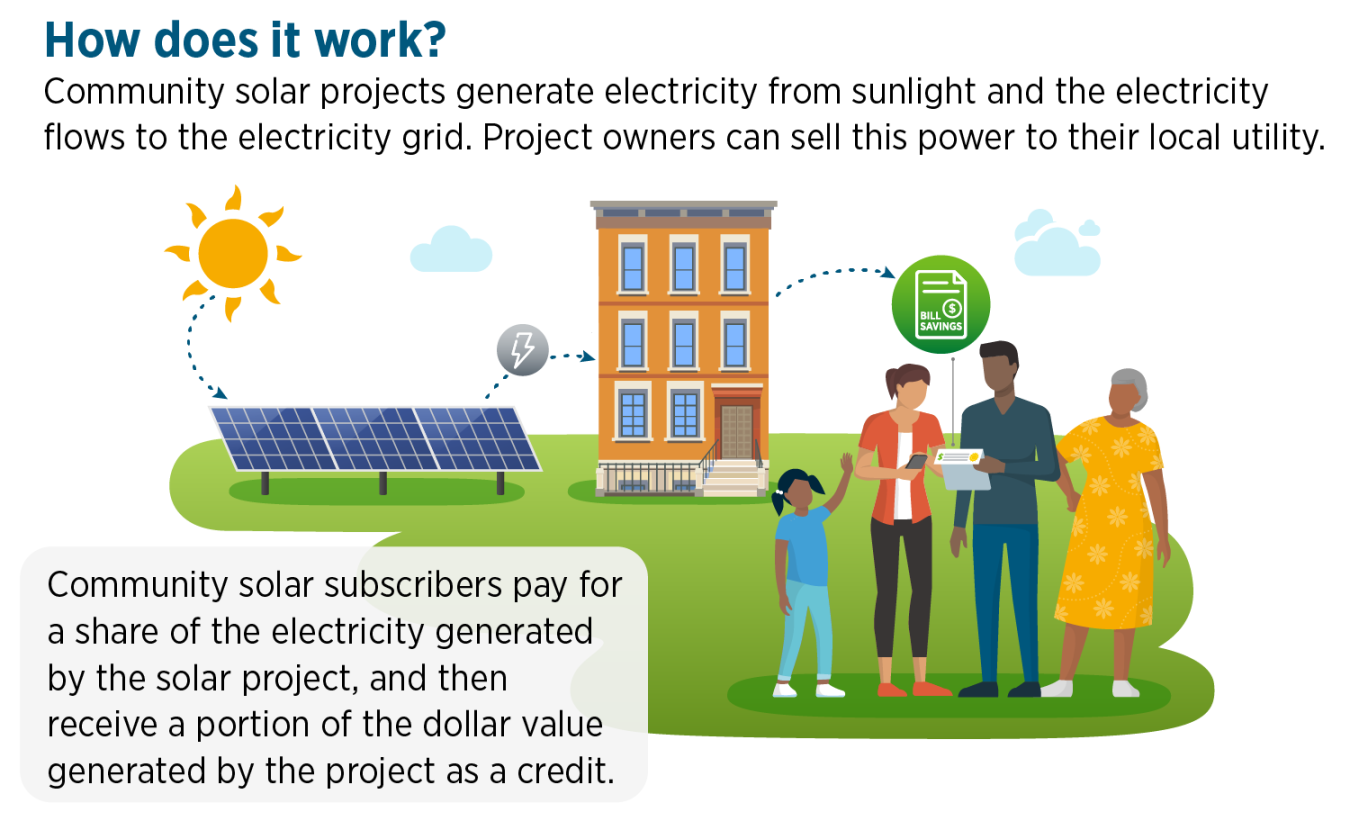
Qualified residents receive discount electricity or bill credits, reducing their energy costs without needing to install rooftop solar on their homes.
How It Works
The solar farm produces clean electricity, and participants receive a proportional share of the power or credits applied directly to their utility bill, managed through IID.
Eligibility
Programs are typically available to households at or below 80% of Area Median Income (AMI) in the IID service area. Check with Citizens Energy or IID for current qualification guidelines.
Not a Permitting Shortcut
Important note for developers: The Citizens Solar model is a commercial and billing structure, not a substitute for standard Imperial County solar farm permitting. Projects still require:
- ✓Full Conditional Use Permit (CUP) from the County
- ✓CEQA environmental review (MND or EIR)
- ✓IID interconnection approvals
- ✓Water and resource assessments
Revenue Models for Solar Farms
Multiple paths to profitability in Imperial County
Power Purchase Agreement (PPA)
Most common utility-scale model
- •Long-term contracts (15-25 years)
- •Fixed price per MWh from utilities
- •Highly bankable and predictable
- •Partners: IID, SCE, SDG&E
- •Current market: $20-40/MWh (standalone solar)
Community Solar
Low-income shared model (like Citizens Solar)
- •Credits go to specific subscriber groups
- •Revenue from subscriptions & incentives
- •Renewable Energy Credit (REC) sales
- •Often heavily subsidized by state/federal
- •Citizens Imperial Valley: 39MW serving 12,000 families
CCA Contracts
Community Choice Aggregators
- •Local government agencies buy power
- •Currently biggest buyers of new solar
- •Examples: Clean Power Alliance, Desert Community Energy
- •Power delivered to CAISO grid
- •Competitive contract pricing
Federal Tax Credits
Investment Tax Credit (ITC) stacking
- •Base 30% investment tax credit
- •+10% for domestic content (American-made)
- •+10% for Energy Communities (Imperial County)
- •+10-20% for Low-Income Community Solar
- •Can reach 60-70% total credit via tax equity
Solar + Storage: The Most Profitable Model
Charge During Cheap Hours
Store solar power when midday prices are low or negative
Discharge at Peak Prices
Sell stored power 7pm-9pm when electricity costs 2-3x more
Capacity Payments
Earn state payments just for being available to prevent blackouts
Market Price Range: Solar + Storage projects typically achieve $70-85/MWh (vs. $20-40/MWh for standalone solar)
Current Market Pricing
PPA rates and market benchmarks for Imperial County solar projects
Standalone Solar
Recent Market Average
$20-40/MWh
Berkeley Lab & Ascend Analytics data
Market Range
$39-50/MWh (varies by location)
Lower-48 generation-weighted avg: $35/MWh (2023)
The Challenge:
Too much midday solar can crush prices. In 2024, Southern California saw 1,180 hours with negative prices (median -$17/MWh).
Solar + Storage (Hybrid)
Current Market Rate
$70-85/MWh
2025 California market analysis
Why Higher?
- ✓ Power delivered in valuable peak hours
- ✓ Avoids negative-price exposure
- ✓ Captures capacity payments
- ✓ Higher grid value
Market Advantage:
2-3x higher value than standalone solar
Critical Pricing Considerations
Location Matters
Price varies by California ISO region (CAISO SP15, NP15) and transmission constraints
Buyer Selection
Different offtakers (IID, SCE, CCAs, corporate PPAs) price risk differently
All-In Economics
Must account for curtailment, negative prices, transmission basis, and storage costs
Key Market Insight
The real question for Imperial County projects is not just "What is the PPA price?" but rather:
"What is the all-in value after curtailment risk, negative-price exposure, transmission/basis risk, and storage?"
Two projects with identical land and solar irradiance can have dramatically different economics based on how these factors are managed.
Financial Modeling for Imperial County Solar
Detailed revenue analysis for a 100 MWac utility-scale solar farm
Model Assumptions (100 MWac Farm)
Capacity Factor
30%
Curtailment/Losses
5%
Annual OpEx
3.5M
Module Degradation
0.5%/yr
Annual Energy Output
Gross Generation
262,800
MWh/year
-5%
curtailment
Delivered Energy
249,660
MWh/year
Annual Revenue Scenarios
Conservative Case
Weak market conditions
Energy Price
$20/MWh
REC Price
$3/MWh
Annual EBITDA
$2.74M
Base Case (Most Likely)
Typical contracted PPA
Energy Price
$35/MWh
REC Price
$3/MWh
Annual EBITDA
$5.99M
Optimistic Case
Strong market + REC value
Energy Price
$47/MWh
REC Price
$5/MWh
Annual EBITDA
$9.48M
20-Year Base Case Projection
Using $35/MWh energy price, $3/MWh REC value, and 0.5%/year module degradation:
Total Delivered Energy
4.76M
MWh over 20 years
Total Revenue
$180.9M
over 20 years
Total EBITDA
$110.9M
before debt service
Quick Scaling Rule
Revenue and costs scale almost linearly. Use these examples to estimate for your project size:
50 MWac Farm
~$2.95M annual EBITDA (50% of 100MW model)
100 MWac Farm
~$5.99M annual EBITDA (baseline)
200 MWac Farm
~$11.98M annual EBITDA (2x baseline)
Equipment & Costs
Detailed pricing breakdown for utility-scale solar farm components
Solar Panels (Modules Only)
$0.10 - $0.22/W
600W panel: $72-120 per panel
Utility-scale PV module pricing varies by manufacturer, efficiency, and order volume
Inverters & Power Electronics
$0.10 - $0.15/W
100 MW farm: ~$10-15M
Central and string inverters, transformers, and power conversion equipment
Racking & Trackers
$0.15 - $0.25/W
100 MW farm: ~$15-25M
Fixed racking or single-axis trackers (trackers add value through increased output)
Balance of System (BOS)
$0.20 - $0.30/W
100 MW farm: ~$20-30M
Wiring, combiner boxes, disconnect switches, site prep, fencing, access roads
Full Project Costs by Size
50 MW
Small to mid-sized project
Panels Only
$5.5-11M
Total Installed Cost
$40-75M
100 MW
Standard utility-scale farm
Panels Only
$10-22M
Total Installed Cost
$80-150M
250 MW
Large regional project
Panels Only
$25-55M
Total Installed Cost
$200-375M
Quick Cost Formula
Panel Installed Cost:
Capacity (MW) x 1,000,000 W x $0.10-0.22/W = $100M-220M
Total Project Cost:
Capacity (MW) x 1,000,000 W x $0.80-1.50/W = $800M-1,500M
Important Cost Considerations
- Panel costs are just one component (15-30% of total)
- Interconnection costs can be $10-50M+ depending on grid proximity
- Land lease typically $800-2,000/acre/year for utility-scale
- Engineering & Permitting: 5-10% of capital cost
- Financing & Insurance: Additional ongoing costs
- Storage adds 50-100% to project costs for batteries
Developer Resources
Complete permitting and development checklist for solar projects in Imperial County
Zoning & Site Review
- Verify parcel zoning and General Plan designation
- Check Renewable Energy Overlay Zone eligibility
- Identify floodplain, airport, habitat constraints
- Review Imperial County Renewable Energy Maps
County Entitlements
- Conditional Use Permit (CUP) required
- Pre-application meeting with Planning Dept
- Possible Zone Change or Variance needed
- Verify no Williamson Act restrictions
Environmental & Water
- CEQA review (MND or full EIR)
- Water Supply Assessment (WSA) required
- Dust control and panel washing plan
- Agricultural resources assessment
Utility & Interconnection
- Utility interconnection feasibility study
- Substation and gen-tie approvals
- IID or SCE service territory confirmation
- Interconnection queue application
Key Development Questions
To Planning Dept:
"Is there a streamlined CUP process for solar projects under 20MW if they serve local residents?"
To IID:
"Do you have an active tariff supporting 'Virtual Net Metering' or 'Community Shared Solar'?"
Interconnection:
"What is the available hosting capacity on the nearest distribution feeder?"
Solar ROI Calculator
Estimate profitability for your Imperial County solar project based on current market rates
Project Parameters
Note: Calculations based on Imperial County market rates. Actual results depend on land costs, interconnection fees, and local incentives.
Annual Revenue
$3,975,000
Payback Period
0.0 years
25-Year ROI
300974%
Net Profit (25yr)
$99,321,375
Financial Breakdown
Downloadable Resources
Essential tools and guides for solar project development in Imperial County
Developer's Permitting Checklist
Complete step-by-step guide for navigating Imperial County solar project approvals, including CUP, CEQA, and utility interconnection requirements.
PDF • 2.4 MB
Imperial County Solar Reference Guide
Quick reference guide covering zoning regulations, Renewable Energy Overlay Zones, renewable energy maps, and key contacts at Imperial County Planning.
PDF • 1.8 MB
Solar Project ROI Model
Excel spreadsheet template for detailed project financial modeling including construction costs, O&M, revenue projections, and 25-year NPV analysis.
XLSX • 856 KB
Market Summary Report
One-page market summary with current PPA pricing ($20-85/MWh), federal tax credit information, and revenue model comparison.
PDF • 680 KB
Need Custom Resources?
We can create custom financial models, site-specific feasibility studies, or other resources tailored to your project. Contact us to request additional materials.
Download Presentation
Get a complete 15-slide PDF presentation covering all aspects of Imperial County solar development
Imperial County Solar Presentation
Comprehensive 15-slide presentation covering projects, financial models, equipment costs, and development opportunities
Presentation Includes:
- •Executive Overview - Imperial County solar market leadership
- •Notable Projects - Mount Signal Solar, Imperial Solar Energy Center, and more
- •Financial Models - Detailed 100 MW farm analysis with 3 revenue scenarios
- •Equipment & Costs - Comprehensive component pricing breakdown
- •Development Pipeline - Future projects and Lithium Valley initiative
- •Revenue Models - PPAs, storage hybrid, community solar, and CCA contracts
- •Environmental Impact - CO₂ reduction, water conservation, land use
- •Permitting Requirements - Zoning, county entitlements, CEQA, utility interconnection
News & Updates
Latest insights on solar markets, policy changes, and Imperial County energy initiatives
Loading articles...
Get in Touch.
Interested in learning more? Reach out to our team for inquiries about partnerships, investments, or more information.